
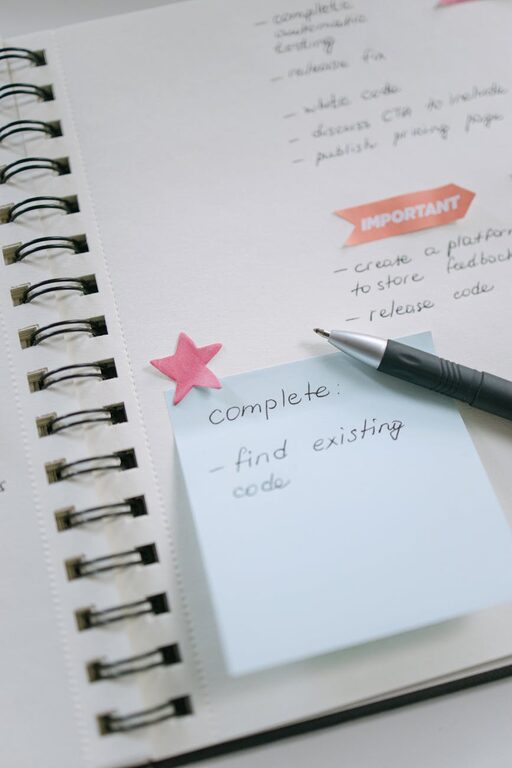
Bullet journaling is a simple yet powerful method to organize your life, boost productivity, and express creativity all in one notebook. If you’re new to this growing trend, this beginner guide will help you understand what bullet journaling is, how to start, and tips to keep it effective and enjoyable.
What is Bullet Journaling?
Bullet journaling, often called BuJo, is a customizable analog system created by Ryder Carroll. It combines elements of a planner, diary, to-do list, and sketchbook. The beauty of bullet journaling lies in its flexibility; you design the pages and layouts that suit your unique needs.
At its core, bullet journaling uses simple symbols (or “bullets”) to differentiate tasks, events, and notes. This method encourages mindfulness, helping you reflect on priorities and track progress over time.
Why Start a Bullet Journal?
– Customizable: You can tailor the journal to fit your lifestyle and goals.
– Organized: Keeps all your thoughts, plans, and reminders in one place.
– Creative outlet: Adds an artistic element to planning that many find therapeutic.
– Mindfulness: Helps develop self-awareness by encouraging intentional living.
– Productivity boost: Clear tracking of tasks and deadlines improves focus.
What You’ll Need to Begin
Starting a bullet journal doesn’t require fancy tools. Here’s what you need:
– Notebook: Any blank, dotted, or grid notebook works, but dotted journals are popular since they aid in drawing straight lines without imposing structure.
– Pen: A simple pen or fine liner. You can use colored pens or markers to add personality.
– Ruler (optional): Helpful for neat lines and layouts.
– Sticky notes or washi tape (optional): For decoration or temporary notes.
Setting Up Your First Bullet Journal
1. Index Page
The index is the table of contents that helps you locate pages quickly. Reserve the first few pages for this. As you add new pages, record their titles and page numbers here.
2. Future Log
The future log is a yearly overview where you jot down important dates or events coming up. Divide two pages into six sections (months) and write key appointments, birthdays, or goals.
3. Monthly Log
This spreads your month onto a page or two. It usually consists of:
– A calendar list (dates down the side with events or deadlines)
– A task list for the month ahead
4. Daily Log
Here you record daily tasks, events, and notes. Each day has a rapid logging section where you use bullets and symbols for:
– Tasks (•)
– Events (o)
– Notes (–)
You mark completed tasks with an “X,” migrated tasks with a “>,” and scheduled tasks with a “<.”
Useful Collections to Add
Collections are themed pages that can be anything you want to track or organize. Some popular collection ideas include:
– Habit trackers
– Budget planners
– Meal planners
– Book or movie lists
– Goal setting pages
– Gratitude logs
Tips for Bullet Journaling Success
– Start simple: Don’t worry about making your pages perfect or artistic at first. Focus on functionality.
– Use shorthand: Develop symbols that make sense to you for quick logging.
– Review regularly: Spend a few minutes each day or week reviewing and migrating unfinished tasks.
– Experiment: Try different layouts or collections to see what fits your routine best.
– Be flexible: Your bullet journal should serve you, so change it when you need to.
Common Mistakes to Avoid
– Overcomplicating layouts before mastering basics
– Trying to mirror social media bullet journals exactly, instead of personalizing
– Keeping a bullet journal without regular review or updating
– Using bulky or overly complicated supplies that slow you down
Conclusion
Bullet journaling is a rewarding habit that helps organize your life in a way that reflects your personality and preferences. By starting with the essentials—index, logs, and collections—you can gradually build a system that improves your productivity and creativity.
So grab a notebook and start your bullet journal journey today. Remember, it’s about progress, not perfection.
Happy journaling!