
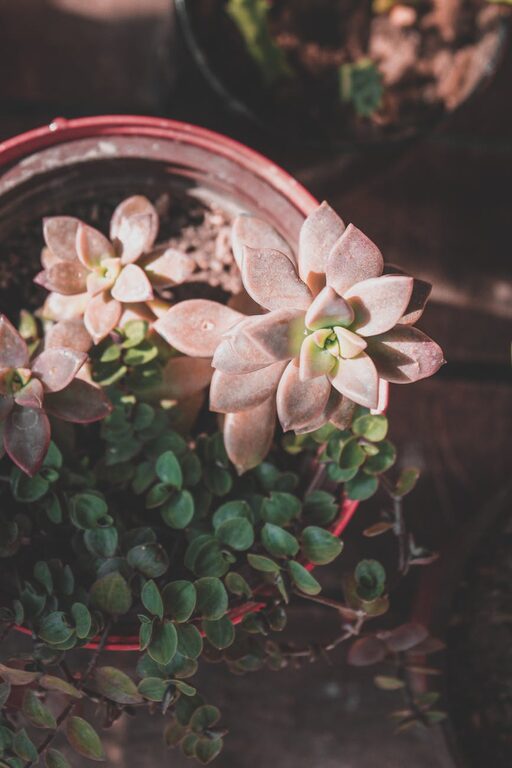
Bringing houseplants into your home not only adds beauty but also improves air quality and boosts your mood. However, maintaining healthy plants can sometimes feel like a challenge, especially if you’re new to indoor gardening. With the right knowledge and care, your houseplants can flourish and become a lasting part of your home. Here are some essential tips to help you keep your houseplants healthy and thriving.
Understanding Your Houseplants’ Needs
Every plant species has unique requirements, but there are general care principles that apply to most houseplants.
Choose the Right Plant for Your Space
Before buying a plant, consider your home’s lighting, temperature, and humidity. Some plants thrive in bright, indirect light, while others prefer low light. Popular low-maintenance options include snake plants, pothos, and ZZ plants, which tolerate a range of conditions.
Know Your Plant’s Light Preferences
Light is essential for photosynthesis but too much direct sun can scorch leaves, while too little light slows growth.
– Bright, indirect light: Place plants near east- or west-facing windows.
– Low light: Suitable for plants like philodendrons or ferns, often found in shady corners.
– Direct sunlight: Cacti and succulents generally enjoy this, but monitor for signs of sunburn.
Watering Your Houseplants the Right Way
Watering is often the most confusing part of plant care. Both underwatering and overwatering can damage your plants.
Check Soil Moisture Before Watering
Use your finger or a moisture meter to check if the soil is dry at least an inch below the surface before watering. Different plants have different watering needs—some prefer consistently moist soil, others like it to dry out between waterings.
Water Thoroughly but Avoid Pooling
When watering, do so until water drains from the pot holes. This ensures the entire root system receives moisture. Be sure to empty any excess water from saucers to prevent root rot.
Adjust Watering with the Seasons
Plants generally need less water in cooler seasons and more during the active growing months in the spring and summer.
Creating the Ideal Environment
Beyond light and water, conditions like humidity and temperature play a big role in plant health.
Maintain Proper Humidity Levels
Many indoor plants, especially tropical varieties, enjoy higher humidity. If your home is dry, consider:
– Using a humidifier
– Grouping plants together to create a microenvironment
– Placing trays of water near plants
Keep Temperatures Stable
Most houseplants thrive in temperatures between 65°F and 75°F (18°C to 24°C). Avoid placing plants near drafts, heaters, or air conditioners.
Feeding and Fertilizing Your Plants
Plants need nutrients to grow, and indoor soil can become depleted.
Use Balanced Fertilizers
Feed your plants with a balanced, water-soluble fertilizer formulated for houseplants. Generally, fertilize once a month during the growing season, reducing or stopping in winter when growth slows.
Follow Instructions Carefully
Too much fertilizer can harm your plants, causing leaf burn or stunted growth. Dilute fertilizer according to package instructions.
Managing Pests and Diseases
Even indoor plants can attract pests or develop diseases.
Identify Common Pests
Look out for pests like aphids, spider mites, mealybugs, and scale insects. Early detection makes treatment easier.
Use Safe Pest Control Methods
– Wipe leaves with a damp cloth
– Use insecticidal soap or neem oil sprays
– Isolate affected plants to prevent spread
Prevent Diseases
Avoid overwatering, ensure good air circulation, and clean dead leaves and debris to reduce the risk of fungal or bacterial diseases.
Repotting and Pruning
Houseplants need room to grow. Occasionally repotting prevents root crowding and refreshes soil nutrients.
When to Repot
Repot plants every 1-2 years or when roots grow through drainage holes. Choose a pot slightly larger than the current one with drainage.
Pruning for Health
Trim yellowing or dead leaves to keep your plant looking tidy. Pruning can also encourage fuller growth in some varieties.
Tips for Busy Plant Caretakers
If you have a busy schedule, here are a few ways to keep your plants happy with less effort:
– Choose low-maintenance, drought-tolerant plants
– Use self-watering pots or water reservoirs
– Set up a regular watering schedule or reminder
– Group plants with similar care needs together
Conclusion
Keeping houseplants healthy is a rewarding and enjoyable hobby that brightens any living space. By understanding your plants’ unique needs and following these care tips, you can nurture vibrant greenery that enhances your home environment. Remember, patience and consistency are key—your plants will thank you with lush leaves and steady growth! Happy gardening!